South Carolina FYI

Menu
  • What’s Trending
  • Featured
  • Eat & Drink
  • News
  • Guest Columns
  • Submit Your Thoughts

south carolina legislation

News

SC Applies For Lost Wages Assistance Grant

In response to the Coronavirus pandemic, recovery efforts to salvage the economic destruction are being made. The SC Department of Employment and Workforce (DEW), alongside Governor McMaster, plans to apply for the FEMA’s Lost Wages Assistance (LWA) program. The grant will await federal approval. 

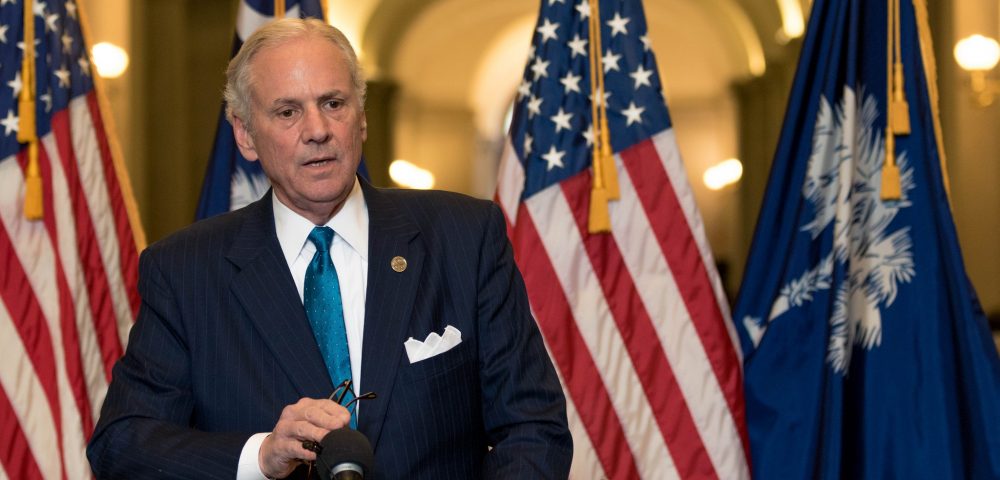
“Our state should be proud of the economic recovery efforts and the progress we have made to date, but we know that some of our citizens are still struggling in the wake of this pandemic,” explains McMaster. “We’ve chosen to participate in this program in a way that will provide additional unemployment relief from the federal government while maintaining our strong record of fiscal responsibility and protecting the interests of South Carolinians.”

Gov. McMaster authorized DEW to apply toward the federal aid via a letter. The grant itself was originally made by President Donald Trump as a means of compensating those unemployed due to the ongoing pandemic. When a state’s application is accepted, an additional weekly $300 in benefits per person will be added.

“We know there are citizens who are still in great need,” explains DEW Executive Director Dan Ellzey. “DEW has been testing changes in its benefits portal based upon guidance provided by the U.S. Department of Labor. If South Carolina is approved, we will work as quickly as possible with our vendor to get the application into the system.”


  • Share
  • Tweet
  • Email

Eat & Drink

South Carolina Cities Mandate Masks

To mask or not to mask, is no longer the question. This month, several SC cities are pushing to mandate that all citizens need to wear face protection in public.

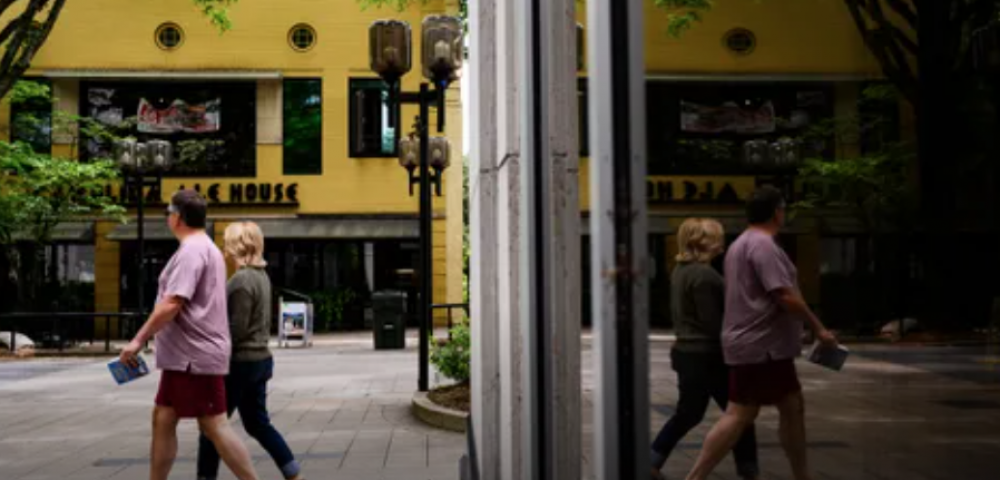
The Charleston City Council approved a face mask ordinance which began being enforced on July 1st. The ruling mandates that all citizens must wear face mask protection when entering any retail or restaurant establishment. This movement caters in an attempt to keep businesses open.

Greenville Online shared a sign posted at the door of a CVS Pharmacy on Main Street. “Face masks are required by law. When you wear a face mask, even ones made from cloth or common household items and materials, you promote your own safety and that of our colleagues and other customers,” the sign read. The response to these changes has been both negative and positive. 

With 30,263 confirmed COVID-19 cases statewide, SC has officially become a hotspot this summer. Some say these cases came as a response to establishments re-opening too quickly. 

“The state cannot mandate everyone to wear a mask,” says Governor Henry McMaster on the issue. “It is ineffective, impractical, and unenforceable to have a statewide mandatory mask requirement.” McMaster did plead for citizens to start wearing masks. As of now, there are no further plans to lift restrictions on establishments that facilitate large crowds. 

With cases still rising, we haven’t heard the last of the mask debate. But, it is difficult to say whether or not we will see any permanent legislative changes regarding the wearing of a mask.

  • Share
  • Tweet
  • Email

News

Calhoun Statue in Charleston to be Relocated

Many civil rights groups spoke out on the fifth anniversary of the Mother Emmanuel shooting. They demanded the removal of the John C. Calhoun statue from Marion Square. Calhoun was a supporter of slavery and a former vice president of the United States.

The 115-ft statue is protected by The Heritage Act, a law sheltering state monuments. Because the memorial is owned by The City of Charleston and falls under The Heritage Act, it takes a two-thirds vote of the state legislature to authorize its removal. 

On June 17th, Mayor John Tecklenburg called for the relocation of the statue to a local museum. “Well folks, this is not a war memorial,” he said. “By [removing the statue] I believe we bring peace.”

President and CEO of the International African American Museum, Michael B. Moore, agrees the statue should come down. “We’re saying that the confederacy and all that it stood for, of dehumanizing people of African descent, of enslaving them, we’re saying that that’s okay and the reality is that that’s not okay,” said Moore.

Protests at the base of the statue called for its removal while some vandalized it. At the Mayor’s live press conference he announced officially that the Calhoun monument is to be relocated to a Charleston museum.

  • Share
  • Tweet
  • Email

News

Coronavirus Cases Skyrocket in SC

With the rush to reopen SC businesses, a peak in coronavirus cases has come in response. Many other states are seeing a flattening of cases during the early weeks of summer, but SC is reporting differently. The short 6-weeks of quarantine are likely the reason for this spike. 

In a recent press conference, state epidemiologist Dr. Linda Bell says “That today [she] is more concerned about COVID-19 in South Carolina than ever been before.” Her unease relates to the rising daily numbers since the beginning of the pandemic. Over 600 deaths have been reported in SC from coronavirus since it entered the U.S.

Will this information have an effect on businesses? If it were up to Governor Henry McMaster, things would remain likely the same. “We can’t stay closed forever,” says McMaster, though he urges residents to practice social responsibility. It seems staying healthy will likely be put on the shoulders of individuals. 

For daily reporting of coronavirus numbers, visit Events as they happen on the World Health Organization site.

  • Share
  • Tweet
  • Email

News

SC Universities Begin Altering Fall Schedules

College campuses across the state are introducing an altered Fall calendar. Instead of having the typical fall break, Universities are opting against. They’ll instead be enforcing an end to in-person classes at Thanksgiving to reduce the threat of COVID-19 on campus. 

The University of South Carolina, the College of Charleston, and more are adapting. For the time being, it seems as though these shifts could remain. With the fear of a coronavirus second wave on the horizon, this option seemed the most secure. Instead of suspending in-person classes entirely, students will now be expected to learn without a break. 

As hurricane season approaches, Universities have yet to comment on the matter. Academic calendars are subject to change impending any unforeseen circumstances. South Carolina schools follow a protocol each year regarding any ill weather or tropical storms. This year is no different. 

With online learning technologies now widely known, it’s possible that college classes will continue from home in the case of a hurricane. For now, it’s difficult to say.

  • Share
  • Tweet
  • Email

Featured

South Carolina Lawmakers Issues Santee Cooper and Education

South Carolina Lawmakers Return Tomorrow – Here Are Two Issues You Should Be Watching

Featured Image Source: Andrew Whitaker, Post & Courier

South Carolina lawmakers return to the State House tomorrow, kicking off the 2020 legislative session, and all eyes are on two hot topics: education and Santee Cooper.

Last year, both were said to be a top priority of lawmakers but have found their way rolling into the new year with no clear future.

During the 2019 legislative session, the House passed a massive bill including a complete overhaul of our state’s education system, but the bill spent the remainder of the session being torn apart and dissected by state senators.

Meanwhile, Santee Cooper’s future has been up in the air for far too long while lawmakers go back and forth on what to do with the debt-riddled state-owned utility.

Lawmakers have once again named both issues a top priority this year, and it won’t take long to see if this holds true.

Sometime in the upcoming session, legislators will receive three bids for state-owned Santee Cooper – one a reform plan from Santee Cooper itself, one from a company that would manage the utility, and one from a privately-owned utility that would purchase Santee Cooper.

While supporters from all sides have come forward, lawmakers have a difficult decision to make. They must make sure they choose an option that will protect the millions of people who get their power and water from Santee Cooper and all South Carolina taxpayers.

Since the public was made aware of Santee Cooper’s billions of dollars of debt, many have expressed their concerns over rising electric rates, talk of a taxpayer bailout, and the responsibility of the debt falling on the shoulders of customers.

Palmetto Promise Institute, an organization dedicated to promoting a “free and flourishing South Carolina” and a strong supporter of selling Santee Cooper, stated the only way for South Carolina residents to avoid costs related to Santee Cooper’s debt is a sale.

Experts have found that a sale would allow a write-down of Santee Cooper’s $4 billion in nuclear debt. According to the report, “Over time, that $4 billion could double as interest is charged to customers.”

While lawmakers try to figure out the best way to deal with state-owned Santee Cooper’s debt, they’ll also have to keep in mind the tens of thousands of teachers who are looking for raises, resources and help, and the money it will take for education reform.

All eyes are on our lawmakers now as two major decisions need to be made, quickly.

  • Share
  • Tweet
  • Email

Featured

santee cooper discussions 2020

Two Years Later: Governor McMaster’s Administration Selects Three Firms To Advise Lawmakers On Santee Cooper Bids

Featured Image: Charleston City Paper

It’s been two years since Santee Cooper pulled the plug on the V.C. Summer project after racking up over $4 billion in debt on the failed project.

Since then, lawmakers have debated what the future holds for Santee Cooper. After months of debate, they passed a resolution in May allowing South Carolina’s Department of Administration to begin the bidding process by choosing a third-party to review offers. However, this isn’t the first time an outside firm was brought in to review bids. Earlier this year, Virginia-based consulting firm ICF was tasked with taking bids that were expressions of interest for the debt-ridden Santee Cooper.

On Tuesday, July 30, Governor McMaster’s administration selected three new consulting firms to advise lawmakers on the sale of and bids received for Santee Cooper. This selection of firms comes less than a week after Santee Cooper finally agreed to pay $15 million for the consultants. The three consulting firms hired will be responsible for advising lawmakers on the bids received for the purchase and management offers for the state-owned utility. Santee Cooper is also expected to submit a plan for reform to be considered by the advisors. The Department of Administration is expected to present state lawmakers with top offers as early as Jan. 15.

One particular South Carolina business owner, Craig Ascue, wrote an editorial published in the Times and Democrat, urging for the sale. As a second-generation business owner, he understands the large impact electric rates can have on not only residents in the area, but the well-being of businesses as well.

“As a business owner, I know full well the impact lower rates will have on small business customers. Lower rates mean more raises and health benefits for employees,” Ascue wrote. Under the current structure, Santee Cooper direct serve and co-op customers will be on the hook for the $7.2 billion of debt the agency is currently in.

Ascue wrote to Times and Democrat saying, “Santee Cooper needs to be sold to an experienced and qualified electric utility company. Only then will its customers be free of the debt the utility’s leaders have put upon them, and only then rates will truly go down and innovation be able to thrive.”

The people of South Carolina, including the small business community, are ready for a change to be made to the current status quo.

  • Share
  • Tweet
  • Email

News

South Carolina Lawmakers Issues Santee Cooper and Education

3 Things That Happened During South Carolina’s Three-Day Special Legislative Session

Featured Image Source: Andrew Whitaker, Post & Courier

South Carolina’s regular legislative session came to an end early last month, but lawmakers returned to the statehouse a few weeks later for a three-day special session.

Having finished their special session a day early, lawmakers met on May 21 and May 22 to discuss legislation and finalize the budget. And, of the legislation being reviewed, two major bills were up for debate, including Santee Cooper and the Carolina Panthers.

The Largest Budget In State History Was Passed

Both the House and Senate passed the largest budget in state history with a total spending package of $29.8 billion with a 105-6 and 32-8 vote, respectively. Revisions to the budget include the removal of provisos that would have added tolls along I-95 and a reduction of the “Be Pro Be Proud” program, which is a program that started in Arkansas and tours the state to give students exposure to industries. Originally $950,000 of the budget was allocated to the program before being reduced to $642,500.

Lawmakers Agreed To Explore The Sale of Santee Cooper

Lawmakers adopted a final version of the resolution which will allow the Department of Administration to oversee the process of collecting and reviewing bids for state-owned Santee Cooper. The Department will hire experts to assist it in analyzing and recommending three proposals to be passed along to lawmakers. The three proposals will consist of one purchase offer from a third-party, one management offer and a final reform proposal from Santee Cooper. While this resolution was passed, the future of Santee Cooper is still undecided and will likely be decided during the next legislative session, continuing to leave Santee Cooper direct serve and coop customers without any relief from the VC Summer debt while SCANA customers have already received some rate relief from the debt.

Carolina Panthers Receive Major Tax Breaks

According to the newly adopted Carolina Panthers resolution, the Panthers don’t have to pay state income taxes for players, coaches, or other employees for the next 15 years as long as they build their new complex near Rock Hill. Governor McMaster is hoping the Panthers’ move to South Carolina will create jobs for many South Carolinians.

South Carolina’s next regular legislative session will start back up in January 2020.

  • Share
  • Tweet
  • Email
Next Page »

© 2026 South Carolina FYI. All Rights Reserved.

  • Home
  • What’s Trending
  • Featured
  • Eat & Drink
  • News
  • Guest Columns
  • Santee Cooper
  • Medical Marijuana
  • Submit Your Thoughts